Where we help
Six Communities, and How to Tell Them Apart
People arrive here asking which one is best. That is the wrong question, and it is why buyers tour eleven houses across four communities and end up more confused than when they started. Here is the question that actually sorts it.
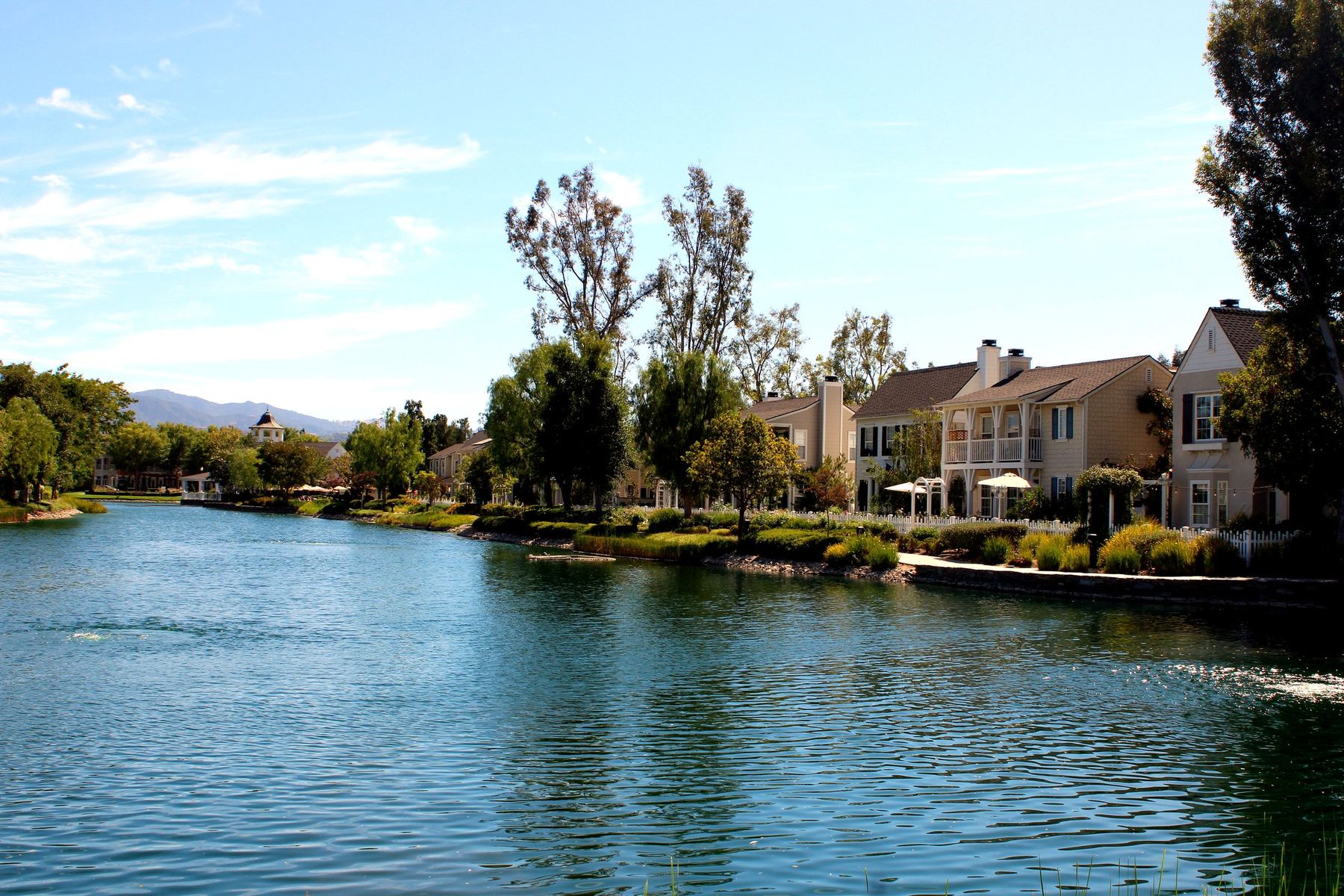
Valencia
Miles of car-free paseos, a lake at Bridgeport, golf-course views, and a park near almost every front door, all close to Valencia Town Center.
Explore Valencia →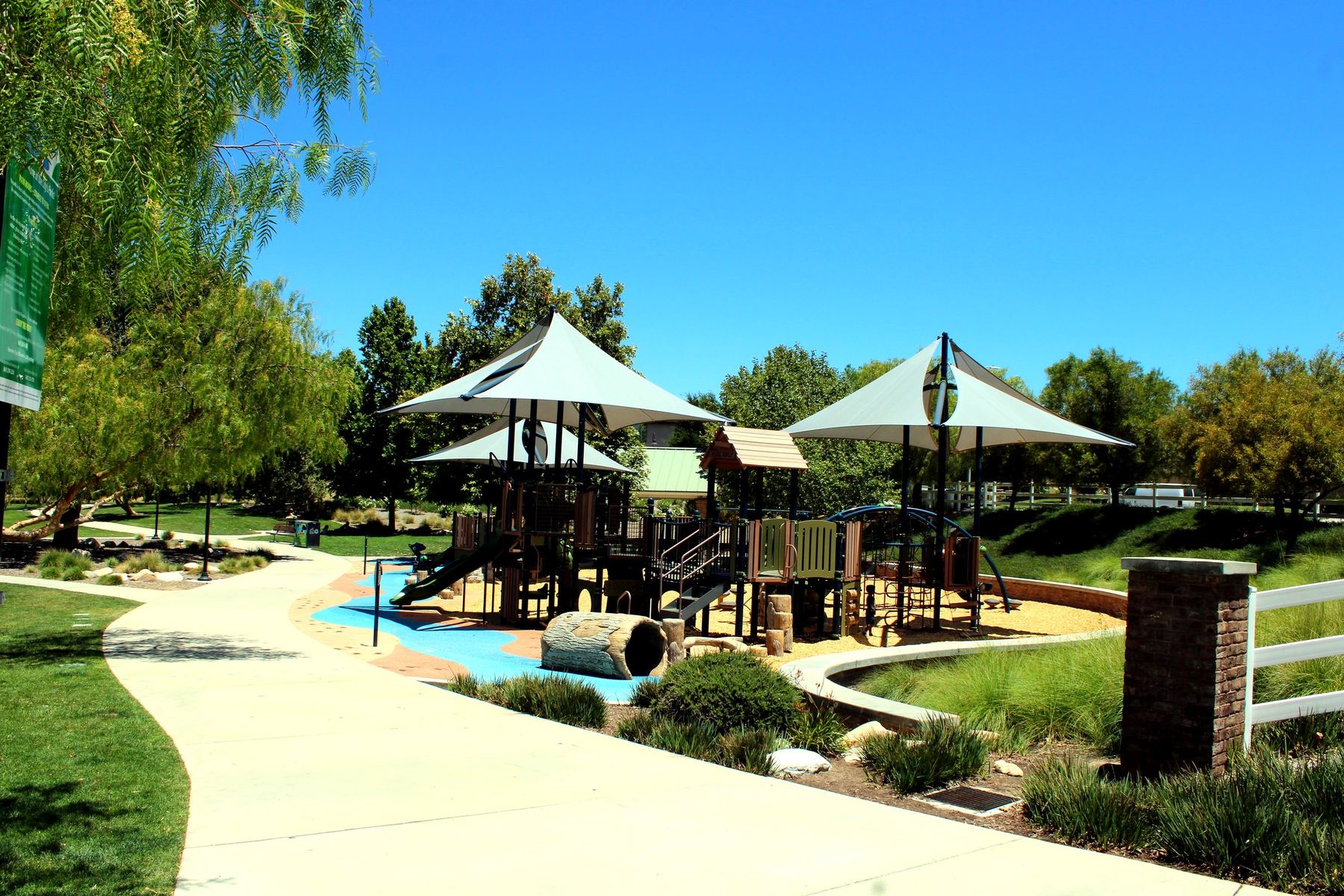
Saugus
Saturday mornings at the valley's largest park, canyon trails minutes away, and a choice between grown-in streets with big yards or newer hillside homes with views.
Explore Saugus →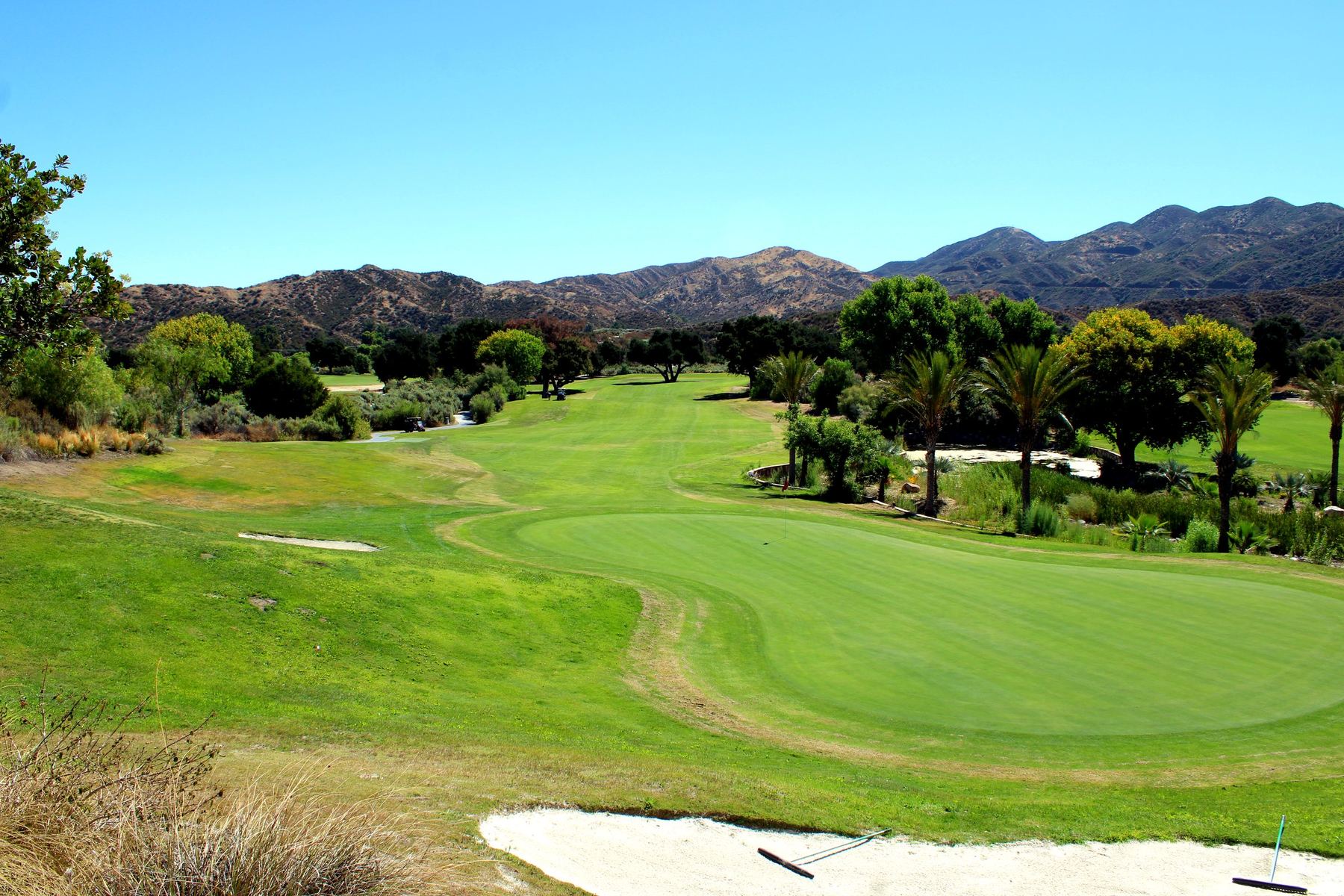
Canyon Country
Sandstone trails, horse country up Sand Canyon, a Metrolink stop at Vista Canyon, and homes from first townhomes to custom estates on Santa Clarita's sunny east side.
Explore Canyon Country →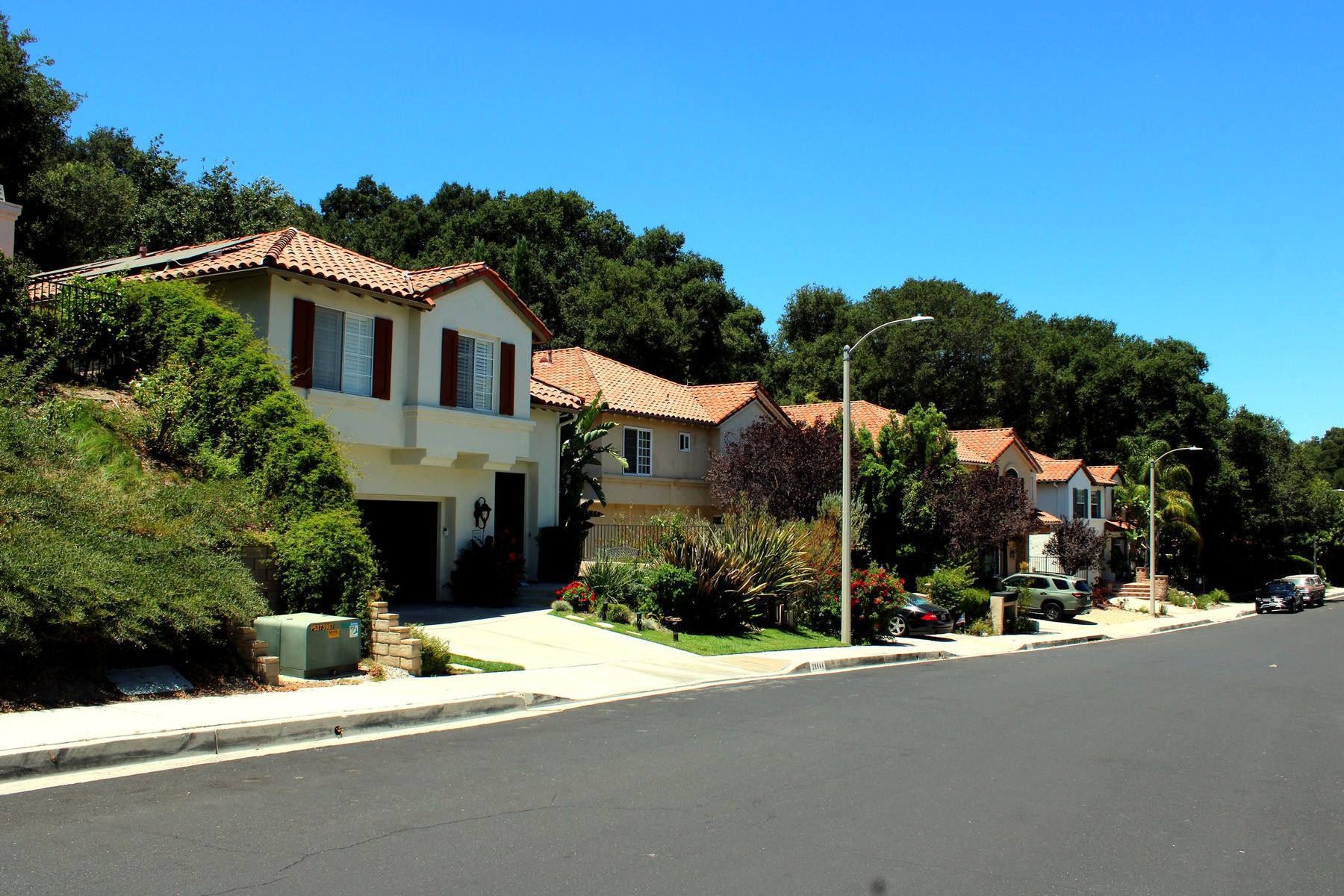
Newhall
Saturday mornings at the Old Town farmers market, show nights on Main Street, and private hillside homes with views, all in one community.
Explore Newhall →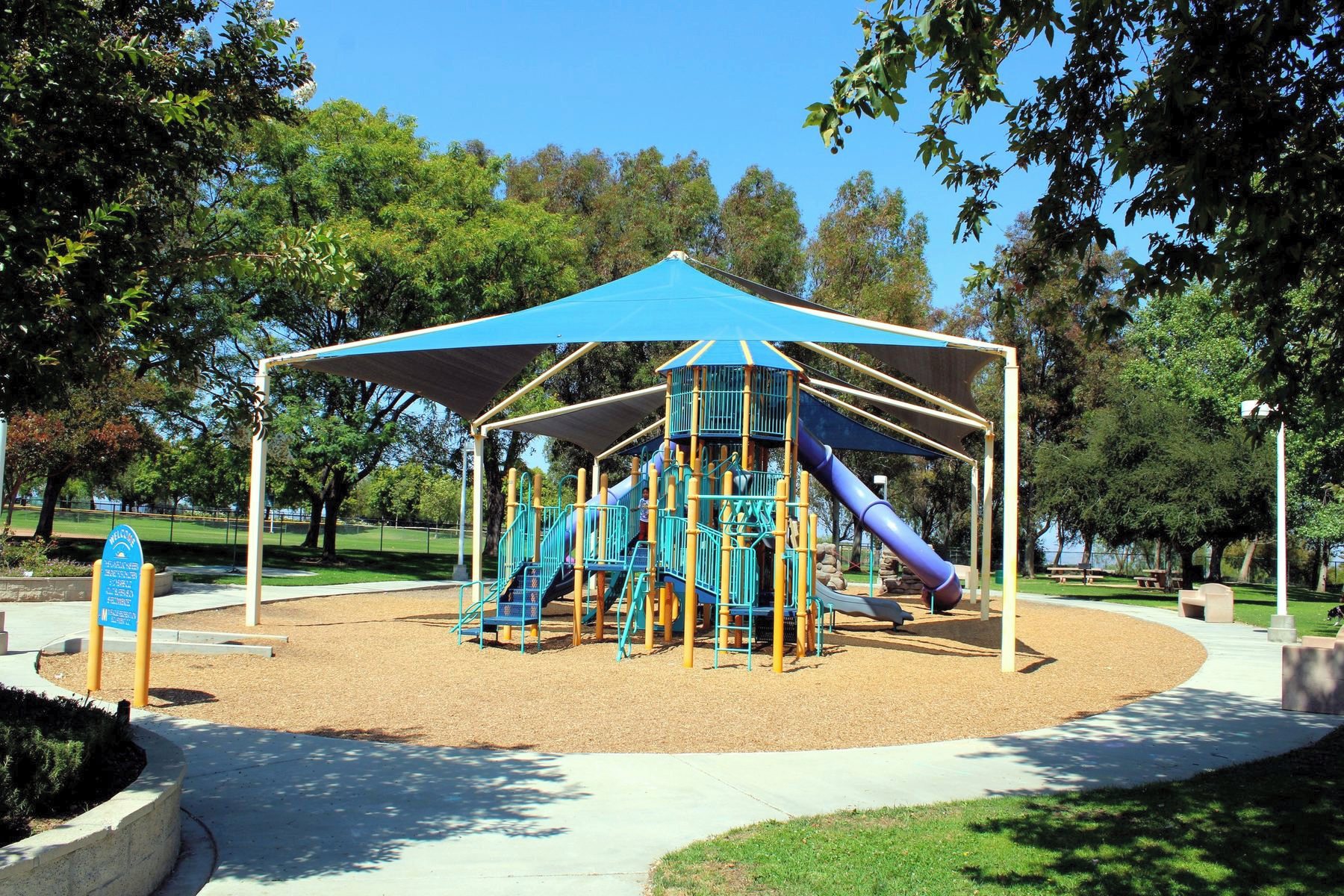
Stevenson Ranch
The first exit into the Santa Clarita Valley, where hillside views, a trail out back, and everyday errands sit minutes from the I-5.
Explore Stevenson Ranch →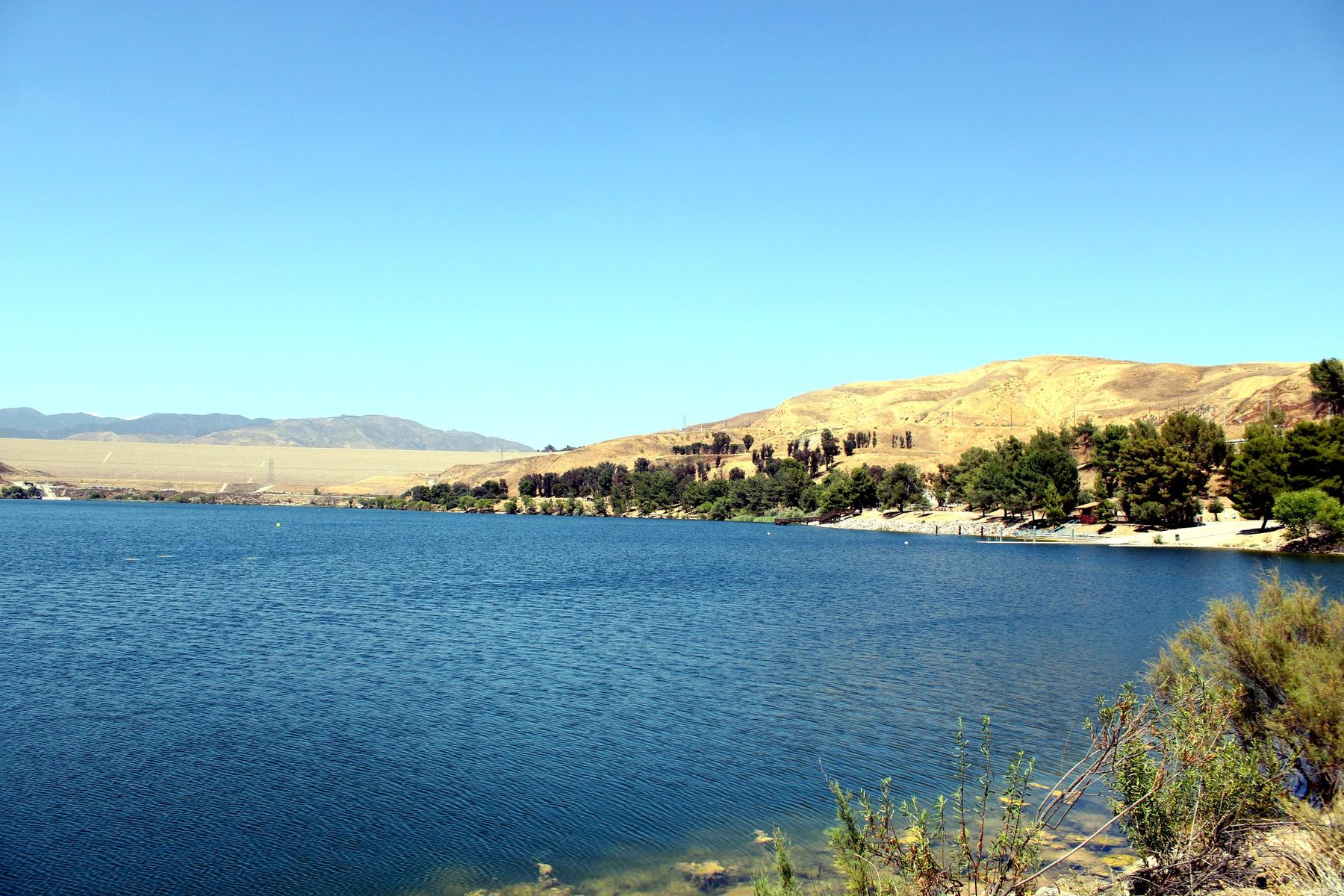
Castaic
Castaic is where the valley opens up, with the lake minutes from home, room for the horses and the RV, and a slower pace north of the city.
Explore Castaic →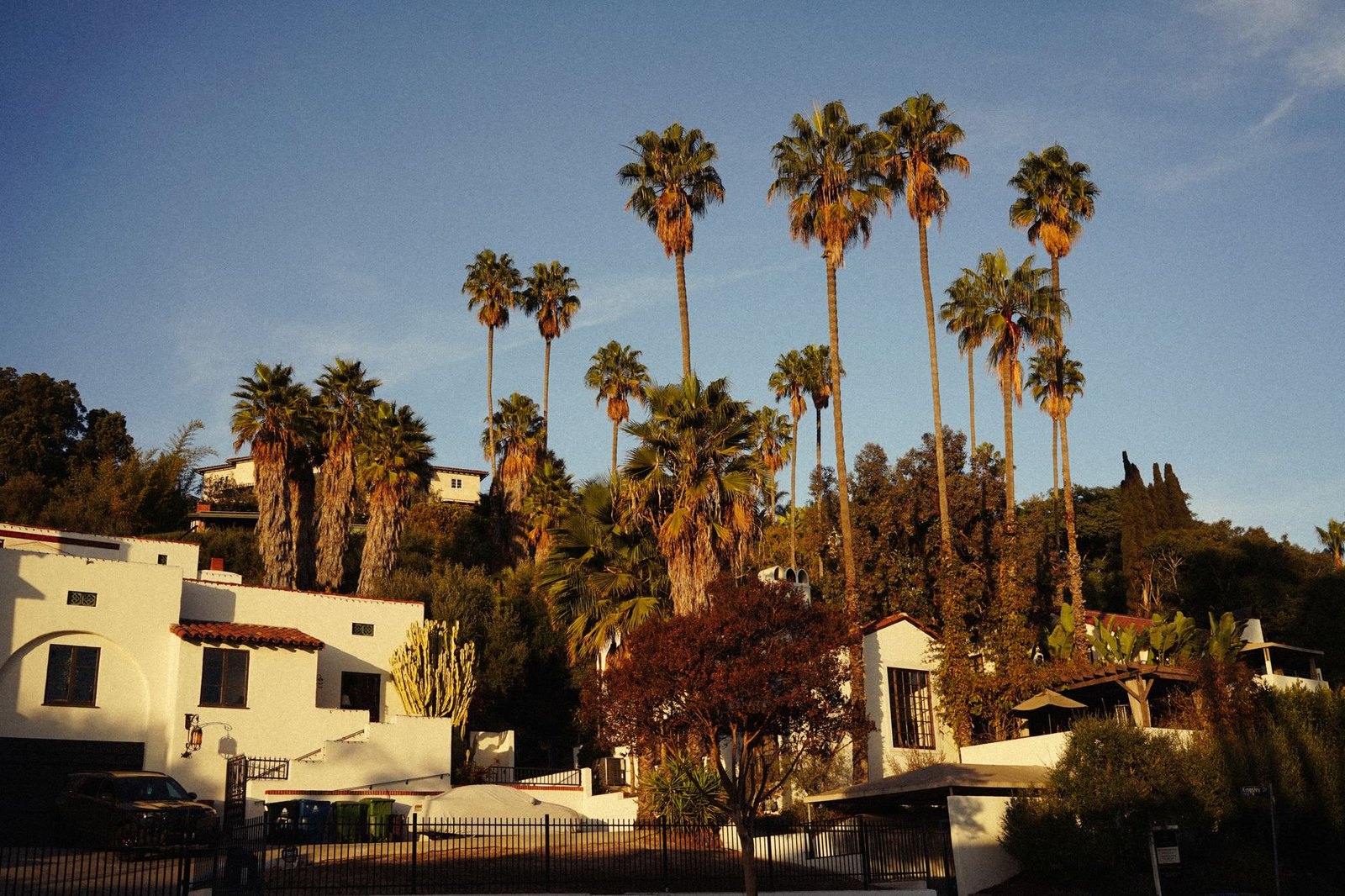
Surrounding Areas
San Fernando Valley, Antelope Valley, Burbank, Glendale, Simi Valley, and Los Angeles. If you are moving anywhere in the county, we would love to help.
Explore surrounding areas →Start With Your Weekday, Not Your Weekend
Almost every buyer starts this the same way. They look at photos, fall for a house, and then work backward to justify the community it sits in. Six months later the house is fine and the commute is not.
So we flip it. Before we show you anything, we ask about a Tuesday. Where do you have to be at eight in the morning, and how do you get there. Who has to be picked up at three. Where does the dog go. What does the drive home feel like at six, in February, in the dark.
Once we know the Tuesday, four of the six usually fall away on their own, and the two that are left are a real choice instead of a guess. That conversation costs nothing and it saves people entire weekends.
The second question is the one nobody asks out loud: what are you willing to give up. Every community here trades something. More land means a longer drive. A shorter commute means a smaller lot. Newer construction usually means a special tax on your bill. There is no version where you get all of it, and an agent who tells you otherwise is selling you something.
Tell us what you are looking for
The Honest One-Liner on Each
Every one of these has a full page behind it. This is the version we would give you on the phone.
Valencia. Paseos instead of sidewalks, so a kid can ride to a friend's house without crossing a major road. The most planned of the six and the most expensive per square foot. Nine neighborhoods hide inside that one name, and they are not interchangeable. Also the one where school boundaries surprise people in escrow.
Saugus. The middle of the valley in every sense: price, commute, age of housing. Central Park is the center of gravity. Which side of Copper Hill a house sits on tells you the decade it was built and the size of the yard. Our own kids went through Saugus schools.
Newhall. The oldest town here, grown street by street for over a century instead of drawn on a planner's map. A real Main Street you can walk to, a train station that gets you to Union Station, and hillside enclaves behind it. The one that feels least like a subdivision.
Canyon Country. The widest range of anywhere in the valley. A first home and a custom estate genuinely share a ZIP code here. Horse property in Sand Canyon, the newest Metrolink station at Vista Canyon, and the community where the insurance question needs asking first, not last.
Stevenson Ranch. First exit into the valley, so the shortest drive south of any of the six. Unincorporated county, which changes more than people expect. Most homes carry a master association and a second one on top of it.
Castaic. More land for your money out here, a lake at the end of the road, and horse country in Hasley Canyon. It is also the longest drive, some homes run on well and septic, and there is less to walk to. Buyers who choose Castaic on purpose are trading convenience for space and they know it.
The Honest One-Liner on Each
Six communities, six different trades
The Line Nobody Mentions Until Escrow
Four of these six are inside the City of Santa Clarita. Two are not. Castaic and Stevenson Ranch are unincorporated Los Angeles County, and that is not a technicality.
What it actually changes:
- Who you call. Permits, code enforcement, animal control and street maintenance run through county departments, not city hall. Different phone numbers, different timelines, different fee schedules.
- Who you vote for. There is no Santa Clarita city council member representing you. Your representation is a county supervisor covering a much larger area.
- What rules apply to a rental. The county has its own Rent Stabilization Ordinance covering buildings with two or more units and a certificate of occupancy dated on or before February 1, 1995. If you are buying a duplex or a small building out there, that ordinance governs, not the state law that applies inside the city.
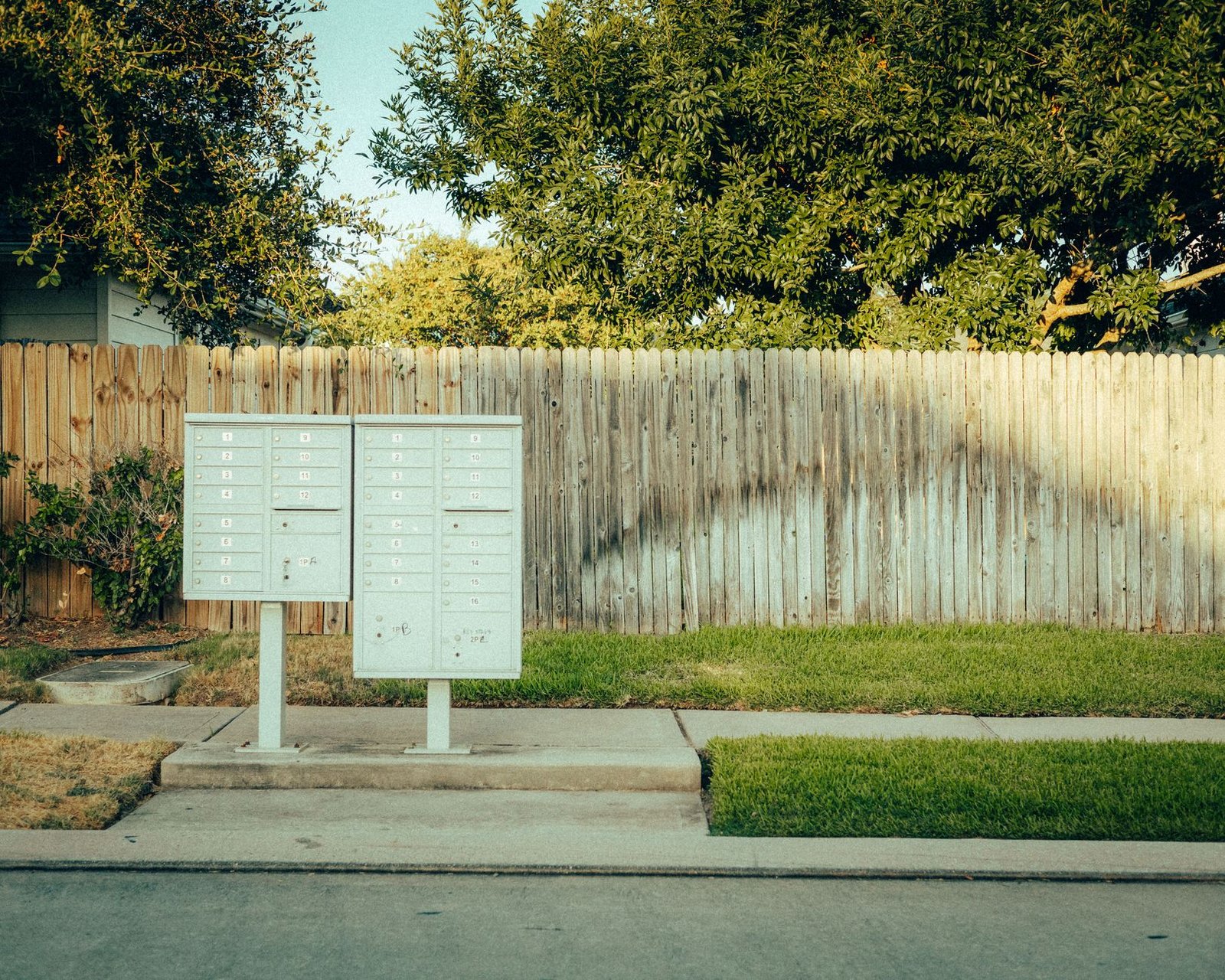
- What the address says. Mail can read Santa Clarita even where the jurisdiction is county. The address is not the answer. We confirm the parcel before you write.
None of this makes either one better. It makes them different, and a buyer should know which one they are signing up for before the disclosures arrive.
If You Are Not Moving to the Valley at All
Plenty of our work happens outside these six. Michelle grew up in the San Fernando Valley and has lived in Los Angeles County her whole life, and a good share of our recent sales are outside the Santa Clarita Valley entirely.
Burbank, Glendale, the San Fernando Valley, the Antelope Valley, Simi Valley, Moorpark, and Los Angeles itself all work differently from here. City transfer taxes, rent control, retrofit ordinances and point-of-sale inspections change the moment you cross a city line, and they change what your sale nets. That page covers what shifts and why.
And if the move is out of state, we will make an introduction rather than pretend to know a market we do not. We would rather hand you to someone good than do a mediocre job two hours away.

Where to Start
You do not need to have narrowed it down to call. Narrowing it down is the part we are useful for.
Call or text Michelle at 661-219-5517. She answers her own phone, not an assistant and not a call center, and a fifteen-minute conversation about your Tuesday will save you two Saturdays of touring.
If you would rather start in writing, tell us what you are looking for and we will build the search across whichever communities actually fit. Selling instead? Get a real number on your home, based on sales from your own part of the valley rather than the valley average.
Frequently Asked Questions
Which Santa Clarita Valley community is the best one to live in?
What is the difference between Valencia and Saugus?
Which communities here are not part of the City of Santa Clarita?
Which community has the shortest commute into Los Angeles?
Where can I find horse property in the Santa Clarita Valley?
Which community gives you the most land for the money?
Do all of these communities have Mello-Roos?
Can you help me buy or sell outside the Santa Clarita Valley?
How do I compare two communities without touring both for a whole weekend?
Where is your office?
Keep exploring
Ready to make your move with Dubner Real Estate Group?